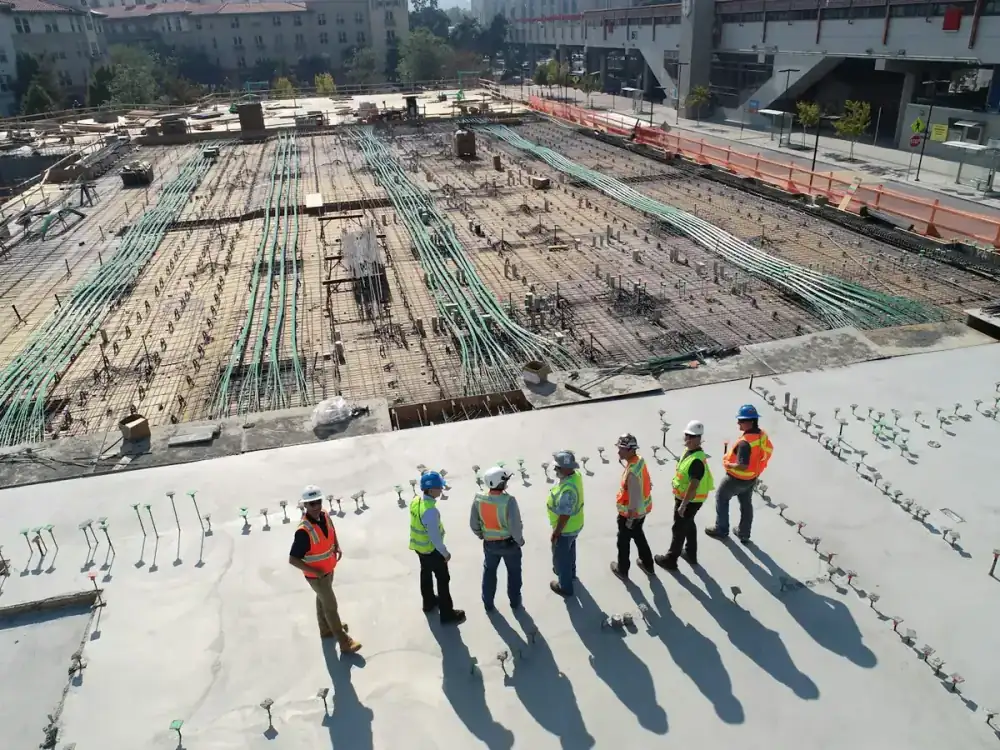
Storm corridors and hail seasons create short, intense demand windows for roof repair and replacement. Homeownership, roof age, and insurance-claim intent are the filters that matter. Buyers who ignore geo and weather timing overspend on soft weeks. Buy roofing calls and leads on CPL or cost per call with those rules in the brief before the next hail map lights up.
Who's calling after hail, wind, or a roof that's simply old
Roofing callers split into two tribes that should not share a talk track. Tribe one just took hail or wind. They heard the hit, they see bruised shingles, they want to know if insurance will pay. Tribe two has a 20-year roof, a stain on the ceiling, and no storm story. Cash or financed replacement. Different urgency, different objection, different closer. If your media says 'storm damage' and you send a retail estimator who only talks architectural shingles and warranties, you'll feel the mismatch on the porch.
Homeowners call. So do spouses who didn't handle the last claim. So do adult kids helping a parent. Decision-maker rules matter because supplements, deductibles, and scope arguments take more than one person. A tenant calling about a leak is usually a property-manager problem. If you don't do property management accounts, dump them early.
Insurance-claim intent is its own qualifier. 'I want you to meet the adjuster' is a storm job. 'I just need a price to replace' may be retail. Some contractors live on insurance work. Some avoid it because of carrier fights and public adjusters. Say which you are. Buying mixed intent at one cost per call trains your sales manager to yell at marketing for 'bad leads' that were exactly what the ad asked for.
Emergency tarp vs full replacement is another split. Active leak, storm still in the area, ceiling dripping: they want a tarp today and a claim tomorrow. A dry stain from last year wants a quote. If you don't have a tarp crew, don't buy emergency leak creative. You'll book work you subcontract in a panic or you'll cancel and eat the reputation hit.
HOA, historic district, and material (asphalt, metal, tile, flat) change whether you even want the job. Tile and steep slate are not a three-man shingle crew. Flat commercial is not residential. Qualify material and stories if your production is picky. The caller knows if they have tile. Ask.
CPL, pay per call, warm transfers, and traffic into the estimator funnel
Cost per call works when your appointment setters can book a roof inspection from a live conversation. Storm weeks, that's the game. The homeowner is holding a phone in the yard looking at granules in the gutter. A form they fill out tomorrow is a form your competitor already answered. You pay for a qualified inbound call, not for a signed contract, not for a carrier's check.
CPL fits retail replacement, off-season, and follow-up heavy processes. Name, address, roof age, insurance yes/no, photos if you can get them. Your estimator works a route, not a panic board. During a hail event, CPL without a same-hour call is slow. Use live transfer when the radar just rolled through.
Warm transfers should include ZIP, owner, storm vs retail, approximate roof age, and whether they've already had inspections. Storm corridors get stacked: three roofers already walked it. Your setter needs to know that before promising 'we'll be the first.' First-to-inspect still wins a lot of insurance jobs. Third-to-inspect needs a different pitch or you decline.
Exclusive vs shared is brutal in storm markets. Shared storm calls mean the homeowner is a popular person. Your inspector arrives to a driveway of logos. Exclusive costs more and still isn't a sealed deal; the carrier and the neighbor's cousin still exist. It does cut the circus of competing phone pitches from the same generation path. Retail off-season can tolerate more sharing if you win on production dates and warranty. Don't pay exclusive prices for a campaign that's clearly being shopped to four networks.
Qualified traffic into your storm landing page or booking tool is for buyers who can work a map and a calendar. The page should ask hail/wind/age and footprint. A generic 'new roof!' page in a non-storm week will harvest shoppers and tire-kickers. RidgeRise can sell that traffic from in-house plus vetted publishers. The page is still yours to get right. Talk models on /buyers.
Storm corridors are the campaign. Geo isn't a suggestion
Hail alleys and wind belts are not a vibe. They're counties that get hit, then get hit again, with a claims culture to match. If you run storm response, your geo should follow recent weather and your crew location, not a static 'we serve the Midwest' line. Buying roofing calls in a county that hasn't had significant hail in two years, during a week with no weather, is how you overspend on soft demand.
Crew location matters more than brand. An inspector in Oklahoma City doesn't help a homeowner in Omaha today. If you chase the national hail map without trucks in that DMA, you'll book inspections you cancel. Cancelled inspections still cost you the call if you marked it billed. Only buy geos you can walk this week or next. Stretch and you'll create the exact 'storm chaser' reputation you don't want.
Retail roofing (no storm) is a local service radius like HVAC: drive time, permit, HOA. Don't copy a storm geo onto a retail campaign. A homeowner with a 22-year roof in a quiet suburb is a production-calendar job, not a cat-team fly-in.
State lines and licensing: know where you can pull permits and where you need a partner. Media doesn't care. Your brief should. Exclude what you can't legally produce.
ZIP lists should update after a storm. The week after a big cell, those ZIPs are gold if you can staff them. Three weeks later the serious claims already have a roofer and you're paying for late shoppers and 'just curious if I have damage' calls. Tighten qualification as the event ages: still have damage, not already under contract, owner, in footprint.
Insurance-claim intent, roof age, and filters that actually move margin
Ask if they're filing or already filed a claim. Ask if an adjuster has been out. Ask if another roofer already inspected. Those three questions change the close. Pre-adjuster is a different dance than post-denial. Post-denial can still be good if you know supplements. It can also be a fight you don't want. Write it.
Roof age: under ten years with hail can still be a claim. Twenty-plus with no storm is retail. Callers lie a little about age. 'I think it's original to the house' plus a 1998 build is useful. You're not doing a core sample on the phone. You're sorting.
Hours: storm weeks need evening and weekend setters. Homeowners walk the roof after work. If you close the campaign at 5, you gift the call to the operator who didn't. Off-season retail can be business hours. Don't run storm hours on a quiet February unless you like paying for voicemail.
Concurrency: a hail day will drown a two-person phone team. Cap to setters, and cap inspections per day to estimators and drone operators. Overbooking inspections is how you no-show and generate complaints that look like bad traffic.
Duration should cover the claim questions, not a full estimate. You cannot price a roof on a transfer. You can confirm it's a roofing conversation in footprint with an owner. Dispositions catch the rest: already under contract, commercial building, not the owner, shopping a competitor's bid only.
Qualification scripts that separate tarp jobs from replacements
Active leak? Yes or no. If yes and you tarp, route to emergency. If yes and you don't tarp, be honest about timeline or decline. If no, you're in inspection/quote land. Mixing those on one CSR without a prompt makes leak callers wait behind a warranty pitch.
Stories and pitch: one-story ranch vs three-story Victorian. Safety and price. If your crew won't walk certain pitches, ask. 'Is it a steep roof?' is imperfect and still better than a surprise.
Insurance vs cash should be asked plainly. Some homeowners get cagey because they think you'll jack the price. Your script can say you work both. What you need is routing, not a moral lecture about claims.
IVR vs live: storm callers are stressed and standing outside. Long IVRs get hang-ups. Short gates (ZIP, owner, leak yes/no) then live is usually kinder. Retail shoppers tolerate more questions. Match the path to the creative they clicked.
Consent: storm SMS and 'we saw hail in your area' outbound is a legal and reputation minefield you should run past counsel. Inbound pay-per-call from a search ad the homeowner clicked is a cleaner fact pattern, still not a magic shield. Campaign-specific, TCPA-aware language and quality monitoring are what we enforce. Guaranteed compliance is not something we sell.
Quality when every network floods the same hail ZIPs
After a widely reported storm, garbage traffic shows up wearing a hail costume. Wrong ZIPs just outside the swath. Renters. People who want a free 'inspection' that's actually a pitch they already heard twice. Listen to recordings the day of, not the week after. Look for intros that claim you're the insurance company or the city. Cut those sources the same day.
Duplicate inspections: the same homeowner in three publishers' files. If you buy shared, expect it. If you buy exclusive, your dispute rules should define same-household duplicates. Photos and addresses help. Don't invent a duplicate policy after the fact.
RidgeRise's hybrid model (in-house plus vetted publishers) only stays clean if sources get paused. Storm greed is real. We'll restrict a path that drifts. Bring recordings and timestamps. 'The close rate dipped' after you overbooked estimators is not a source problem.
Invalid: out of geo, not a roof, commercial if you excluded it, not the owner if you required owner, duration miss. Not invalid: carrier denied, homeowner kept the cheaper guy, HOA blocked the color. Production and insurance outcomes are not media refunds.
Watch tarp-up-sell bait. If the creative promised a free tarp and you don't tarp, that's misrep even if the call was 'in vertical.' Align creative with operations. Quality includes what they were told before the ring.
Seasonality and the weeks you overspend on soft demand
Hail season in the Plains and parts of the South is a calendar you can plan around, even if the exact cell isn't knowable. Shoulder weeks with no weather still produce retail: age, leaks, ugly roofs. Buyers who leave storm-priced campaigns running through a quiet stretch will overspend. Drop caps, switch to retail creative, or pause. Sitting on storm CPLs in a dry month is the classic roofing media mistake.
Winter in freeze-thaw markets creates leak calls from ice dams. That's real. It's not hail. Qualification and crew (and safety) differ. Don't run hail scripts on ice-dam traffic.
Hurricane and tropical wind events are coastal and Gulf timing. If you don't do those states, exclude them even when national news is loud. Curiosity calls from other regions waste duration.
Q4 retail can work if homeowners want it done before winter. Production capacity in December is the limit, not lead flow. Don't buy what your crews can't install until March unless your pitch is honest about spring dates.
The week after a famous storm in another state will leak into your campaign if geo is loose. People call the number they see. Fence the ZIPs. National roofing numbers without geo are how you pay for Dallas when you work Denver.
Who buys roofing calls: contractors, platforms, storm-response crews
Local retail contractors want owner-occupied, in-radius, roof age or visible leak, exclusive or light share. They have one or two estimators. Concurrency should look almost silly it's so low. That's correct.
Storm-response operations move crews. They need weather-timed geo, insurance-intent filters, and the ability to pause a market when the crew leaves. If you can't pause, you'll inspect in a city you already abandoned. That's how you get angry homeowners and carrier attention you don't want.
Home-services platforms aggregating roofing jobs need the end contractor's footprint, not a national brand halo. Over-promising a 48-hour inspect in a market with one partner is a support ticket machine. Cap to partner capacity.
Insurance restoration companies may want documented storm damage and a claim number. That's a tighter funnel. Volume will be lower. Don't measure them like a retail shingle special.
Call centers setting appointments for roofers need the same weather discipline. The center can take calls at midnight. The inspector cannot walk roofs at midnight. Book for daylight and weather-safe conditions. Ice on a 12/12 pitch is not a media win.
Publisher note: weather windows and surge capacity
If you can surge compliant roofing call paths when a cell hits, and shut them off when it misses, you're useful. If you can only run a always-on national roof offer, you'll fight quality in quiet weeks and still get blamed in storm weeks. Search and local intent, plus honest storm creative in the actual swath, fit buyer demand. Recycled 'your neighborhood was hit' lists from last year do not.
Expect recording review, geo proof, and campaign-specific consent. We have buyer demand in roofing. We also have buyers who will kill a source fast. Apply via /publishers. Don't scrape hail maps and blast. That's how accounts close.
If you also run solar, keep the paths separate unless the buyer is a solar-plus-roof shop and asked for the combo. A hail claim is not a panel consult.
Unique mistakes: chasing hail maps without crew capacity
Opening every county on the radar. Your inspectors are not a satellite. Buy where boots are.
Leaving storm pricing on during a two-week dry spell. Soft weeks are where the CPL looks 'fine' and the sit rate dies. Change the offer or pause.
Skipping roof age and insurance questions to make IVR shorter. You'll pay to find out on the lawn.
Shared storm calls plus a slow inspect calendar. You're fourth. Fourth rarely gets the contract unless you're the only one who actually shows.
Tarp creative without tarp crews. That's a review and a dispute.
Paying for commercial flat roofs on a residential campaign. Ask building type.
Treating a denied claim as invalid traffic. Denial is an insurance outcome. Re-inspect and supplement if that's your model, or decline the job. Don't charge back the call.
Exclusive vs shared when the driveway already has three logos
Storm homeowners get multiple knocks. Exclusive media reduces competing phone pitches from the same generation path. It does not remove door-to-door. Price exclusive if your close needs a calm first inspect. Accept shared if you win on show-up time and you can inspect today.
Retail replacements in non-storm markets behave more like other home services: exclusive helps when the ticket is a full tear-off and you don't want a four-way bid. Shared can fill a light calendar if your production is hungry. Hungry production still shouldn't mean hungry filters. Owner, geo, age.
Buffer between inspects. Estimators who stack eight houses with no drive time will run late, skip the last two, and you'll swear the leads were fake. They waited. You didn't arrive. That's operations.
If you buy exclusive, don't dual-path the same caller into a partner brand. They'll notice. Exclusivity is a rule, not a slogan.
Adjusters, deductibles, and what the setter should collect before anyone climbs
A homeowner saying 'insurance will take care of it' is not a qualified claim. It's a hope. Carriers still send adjusters, still argue matching, still apply deductibles, still deny cosmetic hail in some markets. Your setter's job is to find out where they are in that process, not to promise a check. If they haven't filed, your inspector may be the one who documents and helps them open a claim, if that's how you work. If they already filed and the adjuster came, you need the claim number, the date, and whether they have a scope. Walking in blind wastes the slot.
Deductible conversations belong on the phone when you can get them. A high deductible on a small slope of damage is a cash conversation wearing an insurance costume. Some homeowners hang up when they hear they still owe four figures. That's a saved inspect, not a failed lead. If you only want filed claims above a damage threshold, say so. You will get less volume. You will send fewer trucks to $800 jobs.
Photos help and they lie. A caller can send a close-up of one bruised shingle and hide the rest of a healthy roof. They can also send a sky that looks like a war zone. Treat photos as a screen for 'this is actually a roof,' not as a replacement for a walk. If your CPL asks for uploads, define what happens when they skip the upload. Is it still a lead? Write it. Don't invent the rule after a week of empty albums.
Matching shingles and HOA color rules kill jobs after a great inspect. The caller doesn't think about that. Your estimator does, on the ladder, when the product was discontinued. If you work a lot of HOA neighborhoods, ask HOA on the transfer. Same for historic overlays that force wood or slate. That's a different crew and a different price. A qualified inbound call can still be a job you don't want once matching is impossible. Price that risk into your mix instead of disputing the call.
Public adjusters and 'storm reps' sometimes sit on the line or show up at the inspect. If you won't work with them, qualify. If you will, your setter should know the difference between a homeowner and a middleman shopping roofers. Middlemen can be volume. They can also be a race to the bottom on scope. Brief which you accept.
Supplements are how insurance roofs get paid correctly, and they are also how cycles drag. A call that sits, gets a first scope, then waits three weeks for a supplement is still a good unit if that's your model. Don't measure week-one cash like it's HVAC same-day repair. Roofing insurance cash lags. Media arguments that ignore that lag will kill the sources that sent you the houses you're still waiting on money for.
How to brief a roofing campaign around weather and crew calendars
Footprint this week, not your website's service list from 2022. Storm vs retail. Insurance vs cash. Tarp yes/no. Materials you take. Stories/pitch limits. Owner required yes/no. Hours, concurrency, inspect slots per day. Exclusive vs shared. Duration and invalids.
Tell us how you want caps to move after a storm and three weeks later. We can run a tight ZIP list that expands and contracts. We cannot staff your extra estimators. If you add a cat team, update the brief the same day.
RidgeRise Media sells qualified inbound roofing calls, CPL leads, and traffic from in-house buying plus vetted publishers, quality-monitored, with TCPA-aware campaign-specific consent. A qualified call is not a paid claim and not a finished roof. We will not invent close rates for you on this page.
Send the brief through /buyers or /contact. If HVAC or solar sits in the same company, keep the campaigns distinct unless you truly want a bundled home-services screen. Hail intent is not a no-cool, and it isn't a battery quote.